
About ARATC
Aboadi Rural Agricultural Technology Centre (ARATC) is a Ghanaian non-governmental, non-profit organization dedicated to improving the living conditions of rural and poor communities.
Who We Are
Aboadi Rural Agricultural Technology Centre (ARATC) is a non-governmental and non-profit organization legally registered in Ghana since 2019 under the Companies Act 2019 (Act 992) as a company limited by guarantee.
ARATC operates from Takoradi in the Western Region and Aboadi in the Ahanta West District. The organization focuses on livelihood training, agricultural consultancy, plantation establishment and management, project appraisal and evaluation, and research.
We are supported by a multidisciplinary network of professionals and specialists with experience in consulting, training, research, agribusiness development, community development, monitoring and evaluation, and project management.
Legal Profile
- Full Name
- Aboadi Rural Agricultural Technology Centre
- Acronym
- ARATC
- Status
- Non-Governmental & Non-Profit Organization
- Legal Form
- Company Limited by Guarantee (Act 992)
- Reg. Number
- CG032470423
- Established
- Registered in 2019
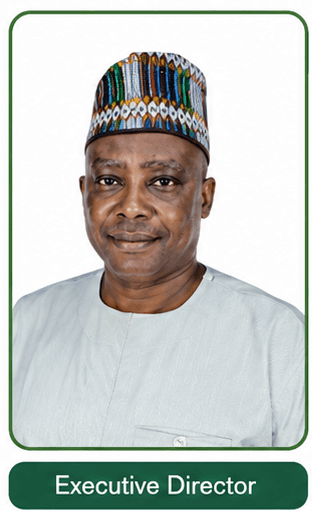
John Kwamina Gyimah
Founder & Executive Director
Aboadi Rural Agricultural Technology Centre was founded by John Kwamina Gyimah, a senior agro-consultant and agricultural extension expert with several years of experience in alternative livelihood ventures, agribusiness development, and project management.
Over a career spanning more than 36 years, John has led and coordinated multiple agricultural extension programmes, feasibility studies, and livelihood training interventions, shaping ARATC into a credible developmental partner in Ghana.
Our Vision
To create thriving communities where sustainable green livelihoods, innovative entrepreneurship, and resilient farm systems empower people to prosper while safeguarding the environment for future generations.
Our Mission
ARATC exists to champion the plight of rural people by equipping them with practical skills, knowledge, and opportunities in agriculture and entrepreneurship. Through training, research, and plantation management, we foster inclusive growth, strengthen food security, and promote environmentally responsible practices that transform rural lives and build lasting prosperity.
Strategic Objectives
The six core pillars guiding our programs, training, partnerships, and service delivery.
1. Capacity Building & Training
- Deliver practical agricultural and entrepreneurship training tailored to rural communities and special groups.
- Strengthen farm-management skills through hands-on demonstrations and mentorship.
2. Research & Innovation
- Conduct applied research to improve productivity, sustainability, and resilience in rural farming systems.
- Promote innovative plantation-management techniques and green-livelihood models.
3. Community Empowerment & Inclusion
- Ensure women, youth, and marginalized groups have equal access to training, resources, and leadership opportunities.
- Facilitate community-driven initiatives that build ownership and long-term impact.
4. Sustainable Livelihoods & Environmental Stewardship
- Champion environmentally responsible practices that conserve natural resources and promote climate-smart agriculture.
- Support diversified income streams that reduce vulnerability and strengthen household resilience.
5. Partnerships & Stakeholder Engagement
- Collaborate with traditional leaders, local authorities, and development partners.
- Build networks connecting rural farmers to markets, finance, and policy-advocacy platforms.
6. Institutional Excellence & Accountability
- Uphold transparency, integrity, and accountability.
- Continuously improve organizational systems and measurable service delivery.
Our Core Values
The principles that guide and govern ARATC's daily interactions with communities and stakeholders.
We promote green livelihoods and environmentally responsible practices that protect natural resources for future generations.
We equip rural people with knowledge, skills, and opportunities to build resilient and prosperous lives.
We embrace research, creativity, and modern farm management techniques to drive agricultural transformation.
We uphold transparency, fairness, and accountability in all our engagements with communities and partners.
We foster partnerships with stakeholders, traditional leaders, and communities to achieve shared development goals.
We ensure that women, youth, and marginalized groups have equal access to training, resources, and opportunities.
We strive for the highest standards in training, plantation management, and community service delivery.
The ARATC Work Approach
Our development approach is bottom-up, assessment-based, participatory, and inclusive.
Bottom-up Delivery of Interventions
Interventions are designed and delivered directly at the grassroots level to address local challenges.
Interventions Based on Thorough Needs Assessments
All projects are grounded on thorough field assessments of local agricultural and socioeconomic needs.
Participatory Development
Beneficiaries and local stakeholders are active partners in project planning, resource allocation, and execution.
Inclusive Development
Ensuring youth, women, and marginalized groups are fully included in the training benefits and leadership.
Organizational Capacity & Resources
Multidisciplinary Staffing
ARATC currently has a multidisciplinary staff of 12, consisting of an Executive Director, one Project Coordinator, a Business Development Officer, an Accounts Officer, and technical staff. Their collective expertise includes Monitoring and Evaluation, Community Development, Environment, Agricultural practices, Agribusiness Development, and Project Management.
Strategic Governance
ARATC has an active seven-member Board of Directors. The Board includes professionals with experience in Agricultural Extension, Agribusiness, Microfinance, Small and Medium Enterprise development, and Community Development. The Board has an active oversight role in the strategic running and performance of the organization.
Logistical Capability
ARATC has one main office at Apremdo New Market in the Effia-Kwesimintsim Municipal Assembly in the Western Region, equipped with modern communication equipment supporting effective administrative work. Additionally, ARATC owns a pickup vehicle and motorbikes that can be deployed for development work across different geographical terrains, and has partnerships with critical service providers for logistics deployment within its areas of operation.
Funding Sources
ARATC draws its funding mainly from donor funds, private-sector funds, internally generated funds from fundraising activities, cash donations, and in-kind donations to execute its development projects and operations.
Meet Our Technical Team
ARATC is powered by a team of dedicated agricultural, financial, and environmental experts.
Has over the last 30 years demonstrated experience leading or coordinating at least 20 similar assignments related to integrated agriculture.

Chief Research Scientist in food science and technology with specialization in applied research in food processing, safety, food product development, post-harvest technology and food security.

Over 10 years of experience in Financial Analysis and Modeling (including Capital expenditure (CapEx) analysis and Operational expenditure (OpEx) estimation).

Expert in identifying, assessing, and mitigating potential environmental risks related to land use, water management, agrochemical application, and biodiversity conservation within integrated farming systems.

Strong ability to analyze production-to-market pathways across crops, livestock, aquaculture, and poultry sectors with over 20 years' experience.